
Trading Psychology

Mindset matters more than strategy. Master your emotions to pass prop firm evaluations.

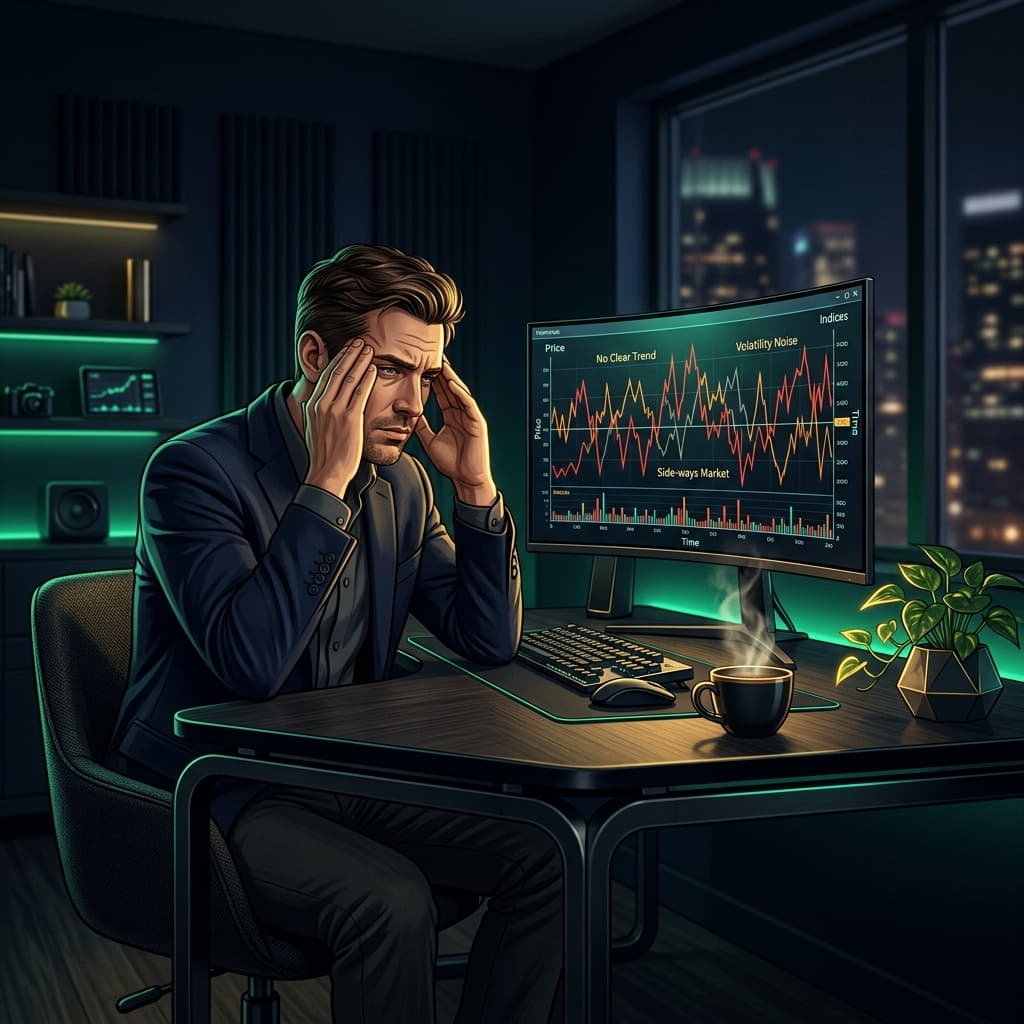
Our advice: A 90% win-rate strategy will fail if you can't control your emotions when you encounter a losing streak. The mental game is the hardest part of futures trading for retirees.

The Mental Game

Trading psychology is the study of how your mindset, emotions, and thoughts impact your trading decisions. Fear, greed, hope, and regret are the four most common emotions that cause retail traders to fail prop firm evaluations.

Fear of Missing Out (FOMO)

Entering trades late because you see a big move happening and want to be part of it, usually resulting in buying the top or selling the bottom.

Solution: Stick to your trading plan and let setups come to you.

Revenge Trading

Taking immediate, impulsive trades after a loss in an attempt to "win the money back," usually with increased size or lowered standards.

Solution: Walk away from the screen after two consecutive losses.

Going on "Tilt"

A term borrowed from poker where a trader makes entirely irrational decisions due to extreme frustration. When on tilt, traders often average down on losing positions, remove stop losses entirely, and blow up their entire funded account in minutes.

Solution: Use platform-enforced maximum daily loss limits that automatically lock you out.

The "Fixed Income" Pressure

Retirees often feel forced to trade to supplement a pension or social security. This pressure leads to taking subpar setups because "I need to make $200 today to pay a bill."

Solution: Never trade with money you need for living expenses. Treat the evaluation as an education expense first.

The Pre-Market Mental Checklist

Institutional traders don't walk onto the floor without a plan. As a retail trader, you must enforce your own discipline. Use this interactive checklist every morning before looking at a chart.

Loading interactive checklist...

Trade Journaling for the Retiree

In a fast-moving market, human memory acts selectively. We remember the winning setups vividly but mentally block out the specific behaviors that caused our largest losses. Effective journaling forces honesty.

The Physical Notebook Approach

Studies show that the physical act of writing down information improves memory consolidation significantly more than typing. For the retiree demographic, keeping a dedicated, physical "Trading Journal" notebook next to the keyboard is highly effective.

  • What to write: Date, Time, Instrument (e.g., NQ), Entry Price, Stop Loss, and why you took the trade.
  • The Emotional Log: After the trade closes, write down your emotional state (e.g., "Felt panicked during the pullback," or "Held to target easily").

Digital Screen Captures

Words can only describe so much. Visual learners benefit heavily from screenshotting their trades. Modern platform integrations can automate parts of this, but the review process is manual.

  • The "Before" Picture: Screenshot the chart the moment you enter. Mark the specific pattern you saw.
  • The End-of-Day Review: At 4:00 PM EST, when the market is closed and emotions have faded, review the screenshots. Was the setup actually perfect, or did you force it?

Psychology Deep Dives

Read our dedicated guides on mastering the mental game.