
Trading Strategies
High-probability, low-stress futures setups built specifically for retiree traders.

Philosophy:
Trade Less, Earn More
Many retired traders believe they must trade constantly to succeed. The opposite is usually true.
The most successful part-time prop traders:
- ✓Trade only during high-probability market windows
- ✓Focus on liquid markets with clear structure
- ✓Use tight risk control
- ✓Avoid emotional overtrading
The goal is consistent income without screen addiction. Think of it as precision trading rather than high-frequency trading.
Strategy Categories for Retired Traders
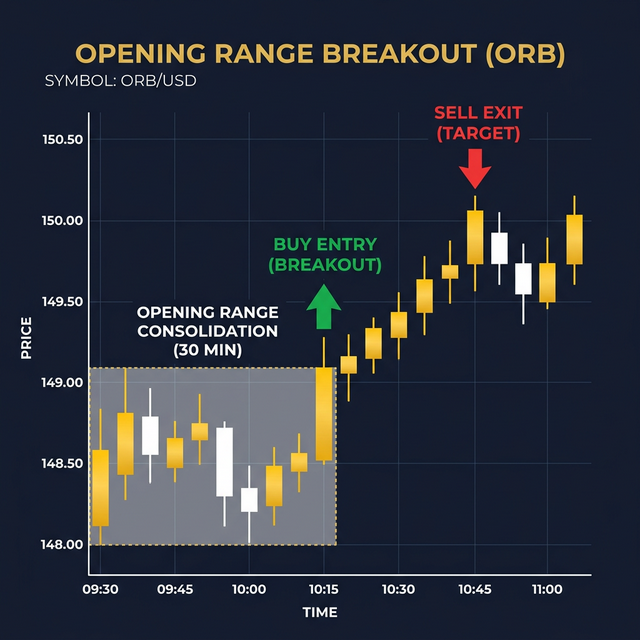
1Opening Range Breakout Strategy
Best for: Momentum days
The market often establishes an initial range after the open. When price breaks this range with volume, momentum traders can ride the move.
How it works
- Mark the first 15–30 min of the open.
- Identify high/low of that range.
- Enter when price breaks out.
- Use opposite side as stop.
Why retirees like it
- → Simple rules
- → One or two trades per day
- → Captures large directional moves
💡 Works best on MES and MNQ.
2Range Trading Strategy
Best for: Quiet or sideways markets
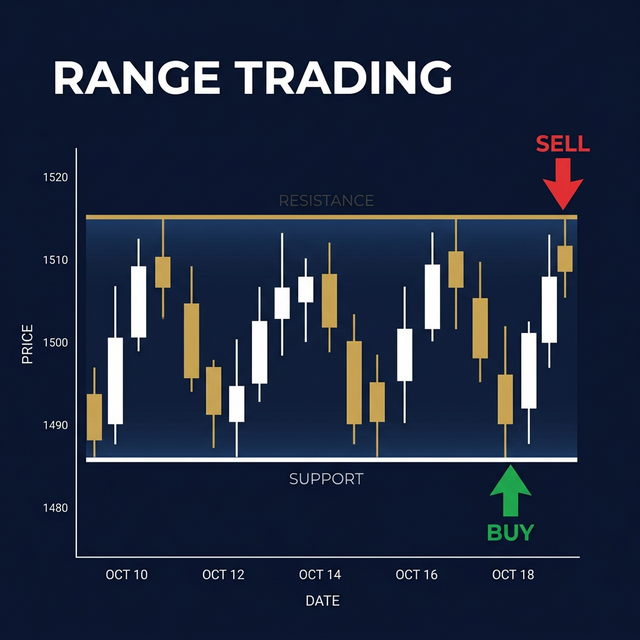
Markets spend about 70% of the time in consolidation, making range trading very effective.
How it works
- Identify clear support/resistance.
- Buy near support.
- Sell near resistance.
- Exit before opposite side.
Why retirees like it
- → Lower stress
- → Predictable structure
- → Smaller, consistent profits
💡 Favors patience over speed.
3Momentum Pullback Strategy
Best for: Trending markets
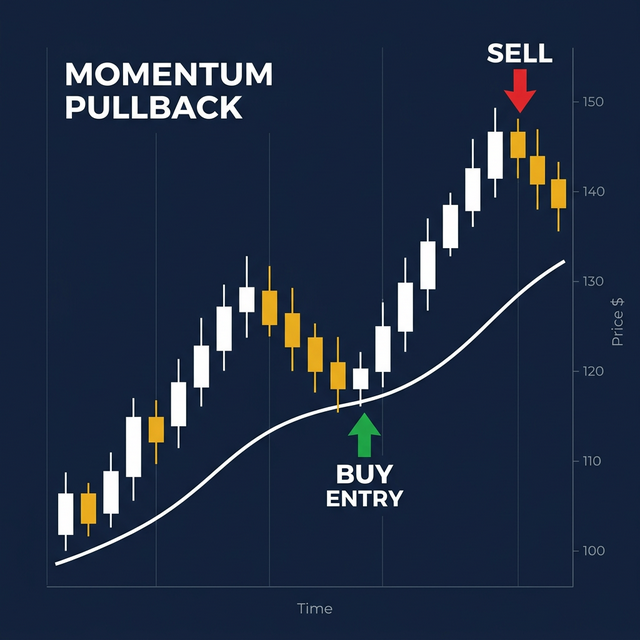
Instead of chasing a breakout, this strategy waits for pullbacks within a trend.
Steps
- Identify a clear trend.
- Wait for pullback to key level.
- Enter when momentum resumes.
Advantages
- → Higher probability entries
- → Smaller stop losses
- → Avoids chasing moves
4Micro Scalping Strategy
Best for: Active traders with short sessions
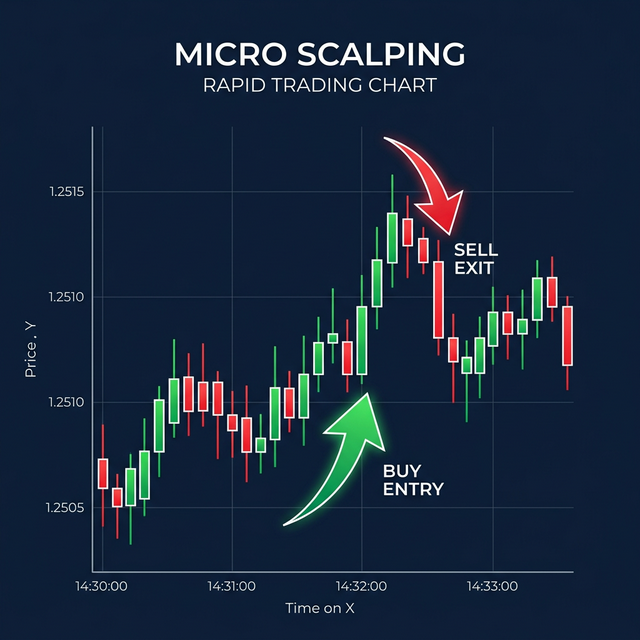
Scalping focuses on small, repeatable gains. Retirees using this approach often trade micro futures (MES, MNQ), aim for 5–10 point moves, and hold positions seconds to minutes.
Rules for senior traders
- Limit scalping sessions to 30–60 minutes
- Trade one contract until consistent
- Stop trading after daily profit target
⚡ The key is discipline and quick exits.
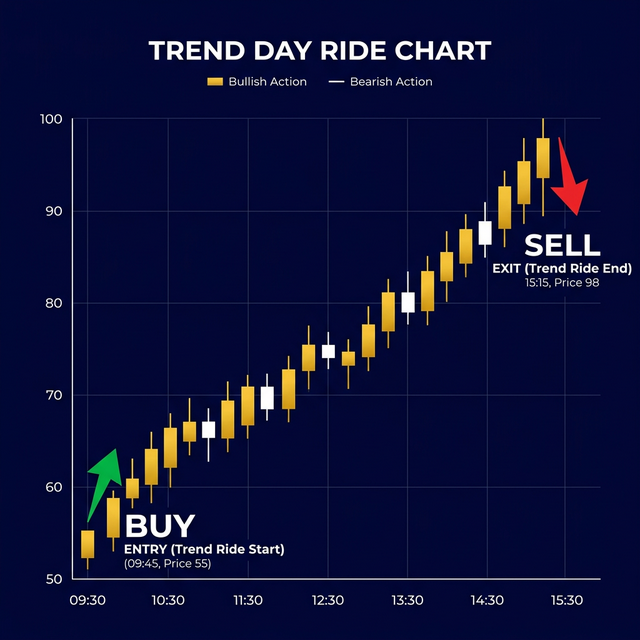
5Trend Day Ride Strategy
Best for: Strong directional markets
Some days the market trends all day long. Instead of constant entries, retirees can ride the wave.
Steps
- Wait for trend confirmation.
- Enter once.
- Hold a partial position.
Benefits
- → Very few trades
- → Larger profits
- → Less screen time
6Mean Reversion Strategy
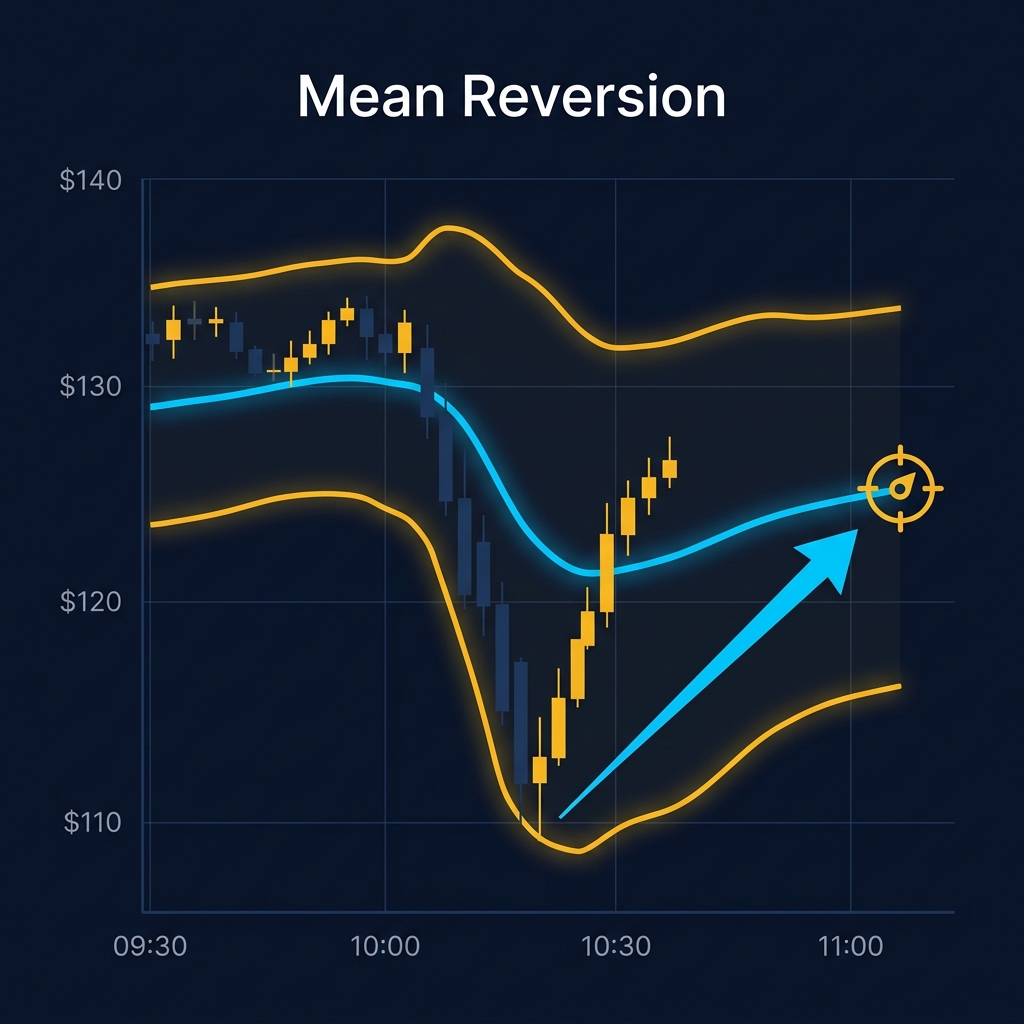
Best for: Overextended markets
Markets eventually revert to their historical average (the "mean"). This strategy trades extremes back to the center line using indicators like VWAP or Bollinger Bands.
Steps
- Identify overextended price (e.g., touching 3rd standard deviation).
- Wait for reversal confirmation.
- Enter trade aiming for the mean (e.g., VWAP).
Benefits
- → High reward-to-risk ratio
- → Clear target levels
- → Effective in choppy markets
Strategy Summary
| Strategy | Market Type | Trades per Day |
|---|---|---|
| Opening Range Breakout | Trending | 1–2 |
| Range Trading | Sideways | 2–4 |
| Momentum Pullback | Trending | 1–3 |
| Micro Scalping | Active | 3–10 |
| Trend Day Ride | Strong trends | 1 |
| Mean Reversion | Overextended | 1–2 |
Best Time Windows for Part-Time Traders
Retired traders should focus on high liquidity periods. Best times to trade:
| Market Window | Opportunity |
|---|---|
| 9:30–10:30 AM ET | Opening momentum |
| 10:30–11:30 AM ET | Trend continuation |
| 2:30–4:00 PM ET | Afternoon breakouts |
⚠️ Avoid midday chop unless range trading.
Risk Management Rules for Retirees
Successful prop firm traders often follow strict rules. A simple risk framework:
- Risk 0.5%–1% per trade
- Maximum 3 trades per day
- Stop trading after daily loss limit
This keeps trading controlled and sustainable.
Key Principle
Retired traders should focus on quality over quantity.
One good trade per day can outperform twenty emotional trades.